Site Meter

Arwa Chiropractic

Your Chiropractor In Aurora, IL
4255 Westbrook Drive, Suite #213
CALL: 1-630-499-2583

CLIENT TESTIMONIALS

"Dr. Hameed is truly the best chiropractor I have ever been to. He has great bedside manners and is genuinely interested in helping his patients. I highly recommend him...".

Janice Miller, Ogden IL

How to prepare!

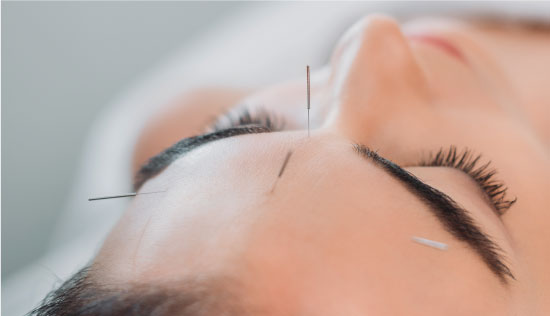
It is best to wear loose clothing for your acupuncture sessions, and best not to eat a large meal.

What is Cupping?

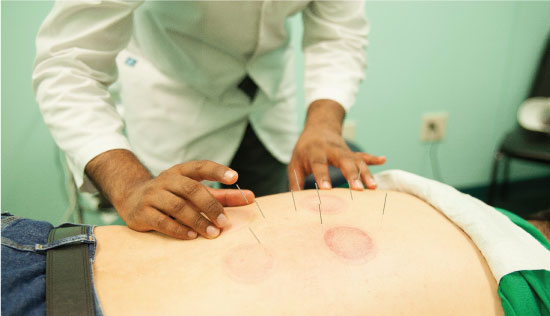
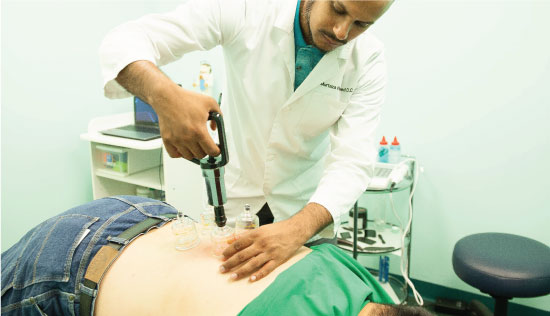
Cupping refers to an ancient Chinese practice in which a cup is applied to the skin and the pressure in the cup is reduced (by using change in heat or by suctioning out air), so that the skin and superficial muscle layer is drawn into and held in the cup. In some cases, the cup may be moved while the suction of skin is active, causing a regional pulling of the skin and muscle (the technique is called gliding cupping).

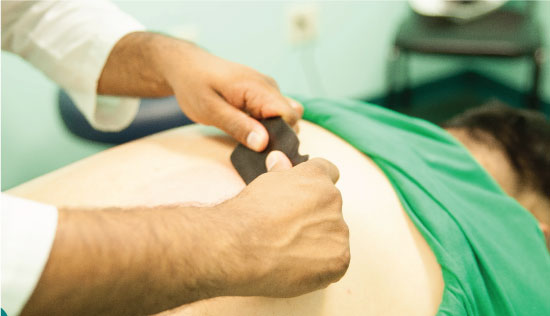
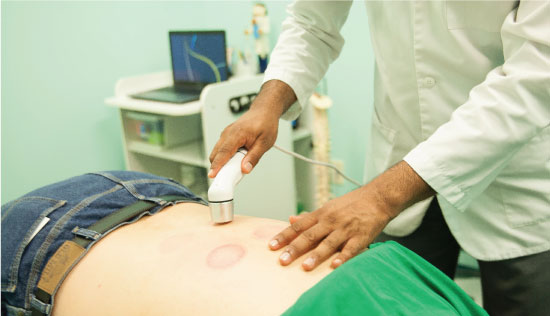
This treatment has some relation to certain massage techniques, such as the rapid skin pinching along the back that is an important aspect of tuina (12). In that practice, the skin is pinched, sometimes at specific points (e.g., bladder meridian points), until a redness is generated. Cupping is applied by acupuncturists to certain acupuncture points, as well as to regions of the body that are affected by pain (where the pain is deeper than the tissues to be pulled). When the cups are moved along the surface of the skin, the treatment is somewhat like guasha (literally, sand scraping), a folk remedy of southeast Asia which is often carried out by scraping the skin with a coin or other object with the intention of breaking up stagnation. Movement of the cups is a gentler technique than guasha, as a lubricant allows the cup to slide without causing as much of the subcutaneous bruising that is an objective of guasha. Still, a certain amount of bruising is expected both from fixed position cupping (especially at the site of the cup rim) and with movement of the cups.

Traditional cupping, with use of heated cups, also has some similarity to moxibustion therapy. Heating of the cups was the method used to obtain suction: the hot air in the cups has a low density and, as the cups cool with the opening sealed by the skin, the pressure within the cups declines, sucking the skin into it. In this case, the cups are hot and have a stimulating effect something like that of burning moxa wool.

In some cases, a small amount of blood letting (luoci; vein pricking) is done first, using a pricking needle, and then the cup is applied over the site. The pricking is usually done with a three-edged needle, applied to a vein, and it typically draws 3–4 drops of blood (sometimes the skin on either side is squeezed to aid release of blood). A standard thick-gauge acupuncture needle or plum blossom needle may be used instead. This technique is said to promote blood circulation, remove stasis, and alleviate swelling and pain. It is employed especially when there is a toxic heat syndrome and for a variety of acute ailments. (top)

What makes it work?

Cupping works by improving the circulation of blood and fluids in the immediate area. This can then help to soften tight muscles or release any points of tension or tight connective tissue. Sometimes the results are very quick, with relief being felt almost straight away. The only down-side to cupping is that it can leave a mark on the skin for anything between a few hours and a few days. Overall though, it can be a great treatment and the results often outweigh the temporary cosmetic marks. (top)

Does it Hurt?

If you have never had cupping before, it can feel a little strange the first time the cups are put on. The sensation should be tight but not painful.  The traditional method of cupping involved burning the oxygen from the inside of a glass cup with a flame before quickly placing it on the skin, but nowadays plastic pump action cups are often easier to use However, experienced patients normally report that the sensation during treatment simply feels as if something or someone is tugging at their skin. There are apparently no reports of pain. (top)


Copyright © 2010 Arwa Chiropractic of AuroraSite Map :: Privacy :: Contact :: Web Design by Anwacorp Designs